Particulate Matters

Observing How Oysters Filter


Materials

This activity uses:

  • Live oysters
  • Shallow glass or plastic dishes (min 2” depth)
  • Artificial saltwater (10-15ppt)
  • Prepared Carmine Alum Lake suspension
  • Glass transfer pipette or eye dropper
  • Computer access
  • Stereomicroscopes (optional)
  • Large magnifying glasses (optional)

Navigate with the arrows below.

Procedure

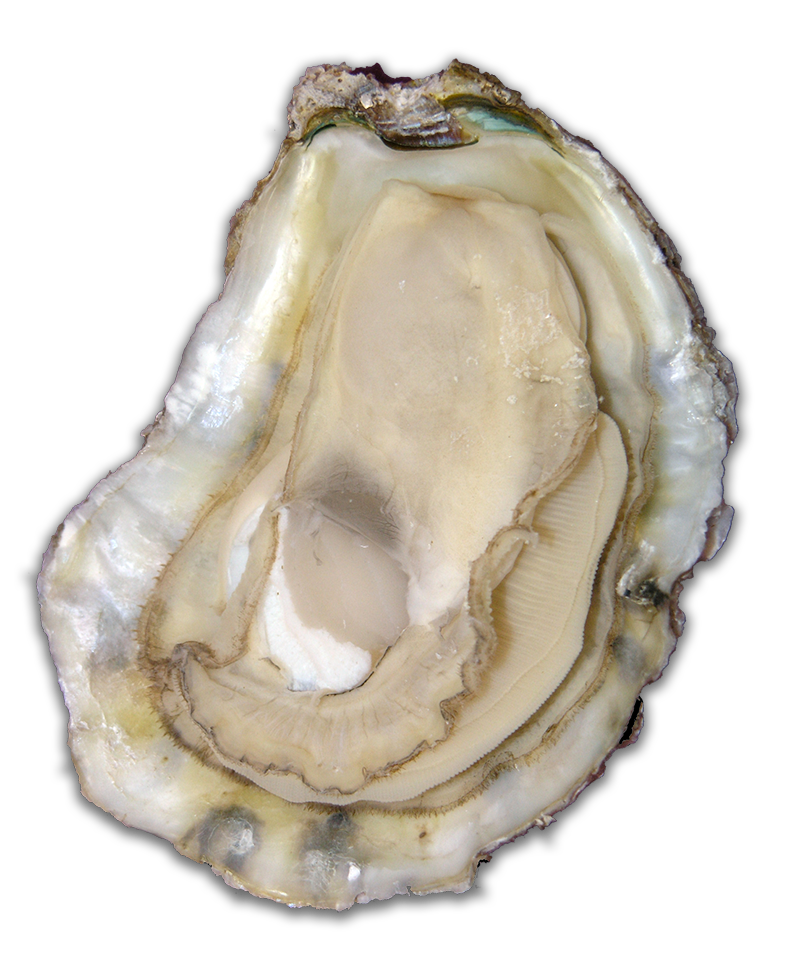
Locate the gills and the region of the mouth (for help, see Oyster Internal Anatomy Lab). Make a hypothesis about the fate of the suspension once the oyster begins to filter it from the water.

Particle Transport

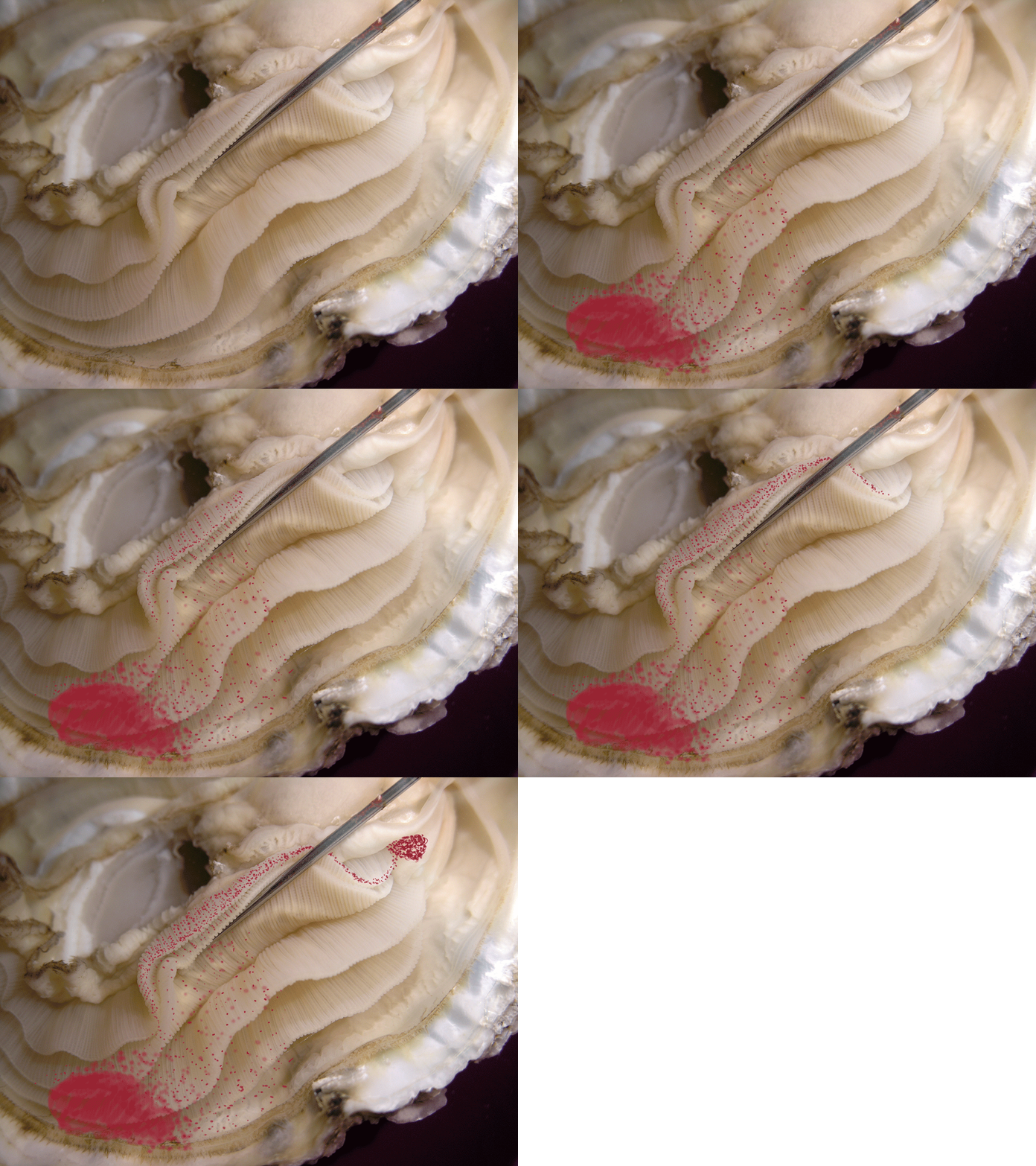
With a glass transfer pipet or eyedropper, gently add two drops of the suspension to the posterior end of the gills. Try not to touch the gill tissue with the pipette or dropper.

The following videos demonstrate the particle transport of carmine alum lake by the eastern oyster.

  • Video 1: Highlights the flow of water from the incurrent area to the excurrent area created by the attachment of the mantle and the gills.
  • Video 2: Deposition of the carmine alum lake on the gills.
  • Video 3: Transport of the carmine alum lake across the gill and along the gill margin.
  • Video 4: Formation of psuedofeces at the region of the region of the labial palps and mouth.

Observe the process of filtration and particle movement with the naked eye and then a magnifying glass or stereomicroscope, if available. You will see the action of the gill cilia and mucus as it transports particles toward the mouth.

After observing the videos and illustration, what will happen to particulates that are non-food items vs. food items (algal cells)?